Project Mariner: Your AI Copilot for the Web

As a software engineer, I'm always on the lookout for tools that can boost my productivity and streamline my workflow. Recently, I came across Project Mariner, a groundbreaking research prototype from Google DeepMind that promises to revolutionize the way we interact with our browsers. Mariner leverages the power of Gemini 2.0, DeepMind's new AI model, to automate tasks, understand complex instructions, and navigate websites seamlessly, all while keeping the user in control.
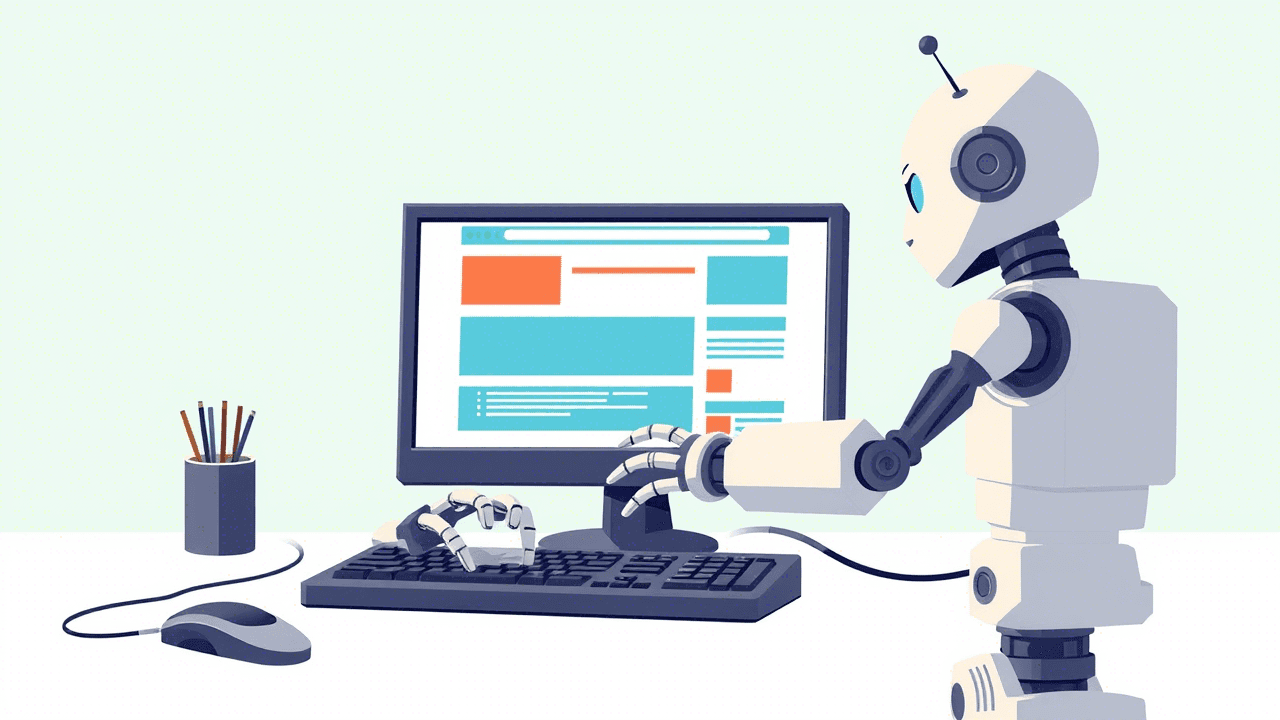
Mariner's native multimodality is a game-changer. It can understand and reason across all elements on your browser screen, including text, code, images, and forms. Imagine giving voice commands to your browser, and having it automatically navigate to specific websites, fill out forms, or even extract relevant data from complex web pages. This level of automation could save us countless hours and significantly improve our efficiency.
But Mariner goes beyond simple automation. It can interpret complex instructions, breaking them down into actionable steps and understanding the relationships between different web elements. For example, you could instruct Mariner to "find the cheapest flights from London to Tokyo in April, considering both direct and connecting flights." Mariner would then analyze the information on various travel websites, compare prices, and present you with the most suitable options, all while explaining its decision-making process.
Mariner's performance has been impressive in benchmarks like ScreenSpot and WebVoyager. In WebVoyager, a benchmark that evaluates autonomous browser agents interacting with real-world websites, Mariner achieved an accuracy of 83.5% in single-agent mode and an even more remarkable 90.5% with tree-search. These results showcase Mariner's ability to navigate and interact with complex websites effectively.
One of the key aspects that sets Mariner apart is its transparency. The system provides a clear view of its plan and actions, allowing users to understand its decision-making process. This transparency is crucial for building trust in AI systems and ensuring responsible development, especially as we move towards an "agentic era" where AI agents play a more active role in our lives.
Currently, Project Mariner is in its research phase and is being tested by a select group of trusted testers. However, the potential impact of this technology is enormous. Mariner could become an indispensable tool for software engineers, helping us automate repetitive tasks, research information efficiently, and even debug code directly in the browser.
Beyond software engineering, Mariner has the potential to transform the way we interact with the web. From simplifying online shopping and travel booking to assisting with research and content creation, Mariner could empower users of all levels of technical expertise.
While the prospect of AI agents managing our online tasks is exciting, it also raises important ethical considerations. Google DeepMind recognizes this responsibility and emphasizes safety and security as top priorities in their development efforts. As AI technologies like Mariner continue to advance, it's crucial to have open discussions about their potential impact and ensure they are developed and used responsibly.
If you're eager to experience the future of human-agent interaction, you can join the waitlist for Project Mariner. While access is currently limited to trusted testers, expressing your interest will keep you updated on the latest developments.
Project Mariner represents a significant step towards a more intuitive and efficient web experience. As a software engineer, I'm excited to see how this technology evolves and the possibilities it unlocks for the future of web development and beyond.