OpenAI Releases "Operator" AI Agent to Automate Web Tasks
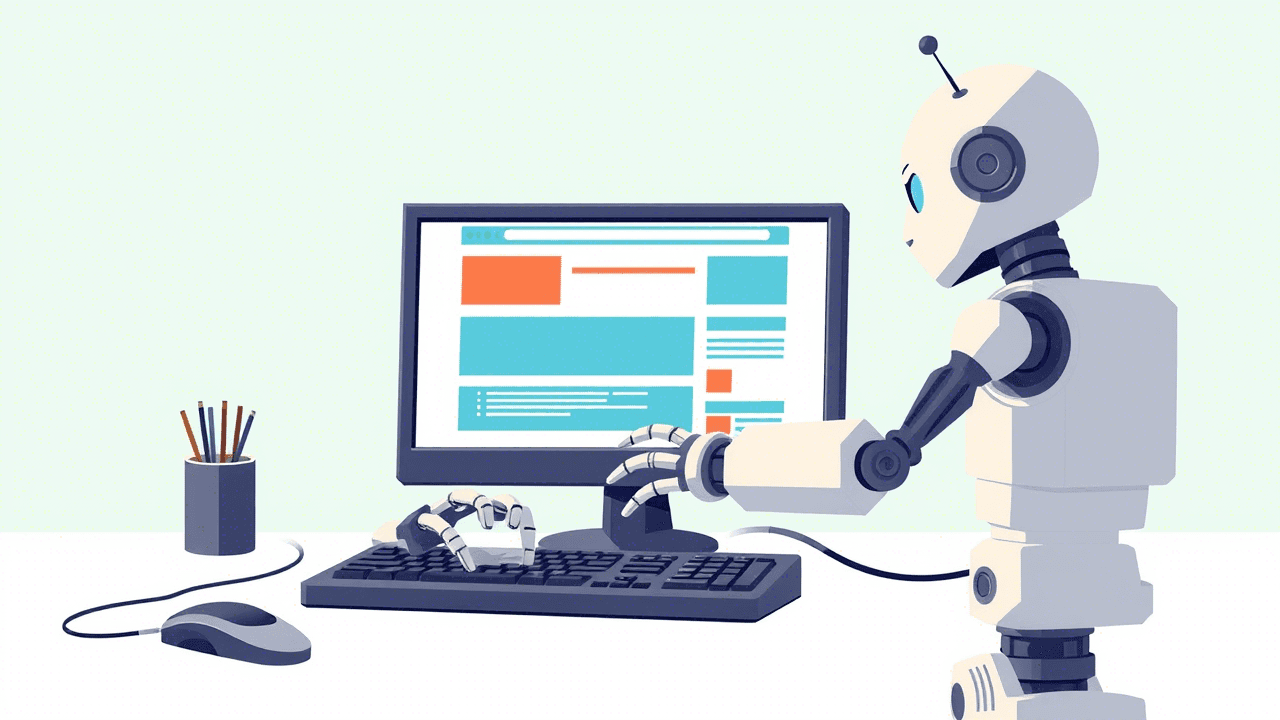
OpenAI has just released a new AI-powered agent called "Operator" that can interact with websites much like a human user. Operator can perform a wide range of tasks, such as booking travel, ordering groceries, and making restaurant reservations. This groundbreaking technology is currently in beta testing and available to ChatGPT Pro users in the U.S. at operator.chatgpt.com.
What is Operator?
Operator is an AI agent that utilizes a virtual browser to interact with websites. It can perceive the web through screenshots and perform actions like typing, clicking, and scrolling, just as a human user would. This allows it to complete tasks online without the need for specific API integrations for each website.
At the core of Operator is a new model called Computer-Using Agent (CUA). CUA combines the visual capabilities of GPT-4o with advanced reasoning honed through reinforcement learning. This enables Operator to understand and interact with graphical user interfaces (GUIs), such as buttons, menus, and text fields, making it capable of navigating and performing actions on websites.
How does Operator work?
Using Operator is simple. You provide instructions in plain language, describing the task you want it to perform. For instance, you could ask Operator to "find and book me the highest-rated one-day tour of Rome on Tripadvisor". Operator would then open a browser, navigate to Tripadvisor, locate the tour, and proceed to book it.
Operator is designed to be a collaborative tool. If it encounters challenges or makes mistakes, it can use its reasoning abilities to self-correct. However, for sensitive tasks like logging in or making payments, Operator enters "Watch Mode" and hands control back to the user. This ensures user security and allows for a seamless handover when human intervention is required.
What are Operator's capabilities?
Operator is a versatile tool capable of handling a wide range of tasks, including:
Travel arrangements: Booking flights, hotels, and tours.
Shopping: Ordering groceries and finding the best deals online.
Everyday tasks: Filing expense reports, making restaurant reservations, and managing to-do lists.
Creative tasks: Even creating memes.
Data Privacy:
OpenAI has incorporated features to ensure user privacy in Operator. Users can opt out of having their data used for model training, and they can delete all browsing data and log out of all sites with a single click.
Custom Instructions:
Users can personalize Operator by providing custom instructions, either for all websites or for specific ones. For example, a user could instruct Operator to prioritize fully refundable hotels that offer free breakfast when searching on Priceline. This allows for a tailored experience and greater control over Operator's actions.
What are Operator's limitations?
While Operator is a powerful tool, it's important to be aware of its current limitations:
Complex or customized tasks: Operator may struggle with complex or highly customized tasks that require intricate steps or interactions with non-standard website interfaces.
Limited availability: Currently, Operator is only available to ChatGPT Pro users in the U.S.
Performance inconsistencies: Some early users have reported that Operator can be slow and prone to errors, sometimes requiring user intervention to complete tasks. One user described the experience as "like watching an arthritic half-blind grandma use a rusty typewriter".
Rate limits: To prevent abuse and ensure fair usage, Operator has dynamic limits on the number of tasks it can complete within a given timeframe.
What is the potential impact of Operator?
Operator has the potential to revolutionize how we interact with the web and could significantly impact various industries:
Search engines: By directly accessing and interacting with websites, Operator could reduce reliance on search engines like Google, potentially impacting their traffic and advertising revenue.
Gig economy companies: Operator could streamline the process of ordering services from companies like Instacart, DoorDash, and Uber, potentially leading to increased usage and revenue for these platforms.
Digital advertisers: As Operator may reduce the time users spend browsing retail websites, it could also impact the visibility and effectiveness of digital advertising.
Accessibility: Operator could significantly improve accessibility for people with disabilities. By automating online tasks, it can empower individuals with limited computer skills or those who face challenges interacting with traditional web interfaces.
Future of work: The automation capabilities of Operator raise questions about the future of work, particularly in roles involving repetitive online tasks. While Operator could streamline workflows and increase efficiency, it could also lead to job displacement or changes in job roles as certain tasks become automated.
Competitive Landscape:
Operator enters a competitive landscape with other AI agents, such as Anthropic's Claude with computer use capabilities. However, Operator differentiates itself by its ability to interact directly with websites without requiring custom API integrations. This allows for a more seamless and versatile user experience.
Ethical Considerations
The rise of AI agents like Operator brings forth important ethical considerations:
Bias: AI models are trained on vast datasets, which may reflect existing biases in the real world. This could lead to Operator exhibiting biased behavior or producing unfair outcomes.
Human autonomy: As AI agents become more capable, it's crucial to consider their impact on human autonomy and decision-making. Striking a balance between automation and human control is essential to ensure that AI agents remain tools that empower users rather than replace them.
Responsible use: It's important to use AI agents responsibly and ethically, considering their potential impact on individuals, society, and the economy. OpenAI has implemented safeguards to prevent misuse, but ongoing monitoring and ethical guidelines are crucial to ensure the responsible development and deployment of AI agents.
What are some of the criticisms and concerns about Operator?
Despite the excitement surrounding Operator, there are some criticisms and concerns:
High cost: Operator is currently only available with the ChatGPT Pro plan, which costs $200 per month . This high subscription fee is a significant barrier to entry for many users, limiting access to this technology.
Limited availability: Operator is currently only available in the U.S., frustrating users in other countries who are eager to try this new tool.
Security risks: While OpenAI has implemented security measures, some experts have raised concerns about the potential for AI agents like Operator to be misused for malicious activities, such as phishing scams or automated ticket scalping.
Privacy concerns: Operator's ability to access and interact with websites raises privacy concerns, as it could potentially collect and store sensitive user data.
Performance and reliability: User testimonials reveal that Operator can be slow, error-prone, and sometimes requires user intervention to complete tasks.
What are some open-source alternatives to Operator?
For those seeking open-source alternatives to Operator, there are a few options available:
CogAgent: An open-source alternative developed in China.
browser-use: An open-source Python package that allows developers to build web automations using any large language model (LLM).
LocalAI: A free, open-source platform that offers a drop-in replacement for OpenAI's API, allowing users to run various AI models locally.
Conclusion
OpenAI's Operator represents a significant advancement in AI technology, with the potential to transform how we interact with the web. Its ability to automate tasks, personalize workflows, and improve accessibility is groundbreaking. However, it's crucial to acknowledge its limitations, address the ethical considerations, and mitigate the potential risks associated with this technology. As Operator evolves and becomes more widely available, it will be fascinating to witness its impact on various industries and its role in shaping the future of AI.